Address
No.55-6, Denggang, Middle of Lishui Avenue, Lishui Town, Nanhai District, Foshan City, Guangdong Province, China.
Work Hours
Mon to Fri: 7:00AM - 18:00PM
Weekend: 10:00AM - 18:00PM

Address
No.55-6, Denggang, Middle of Lishui Avenue, Lishui Town, Nanhai District, Foshan City, Guangdong Province, China.
Work Hours
Mon to Fri: 7:00AM - 18:00PM
Weekend: 10:00AM - 18:00PM


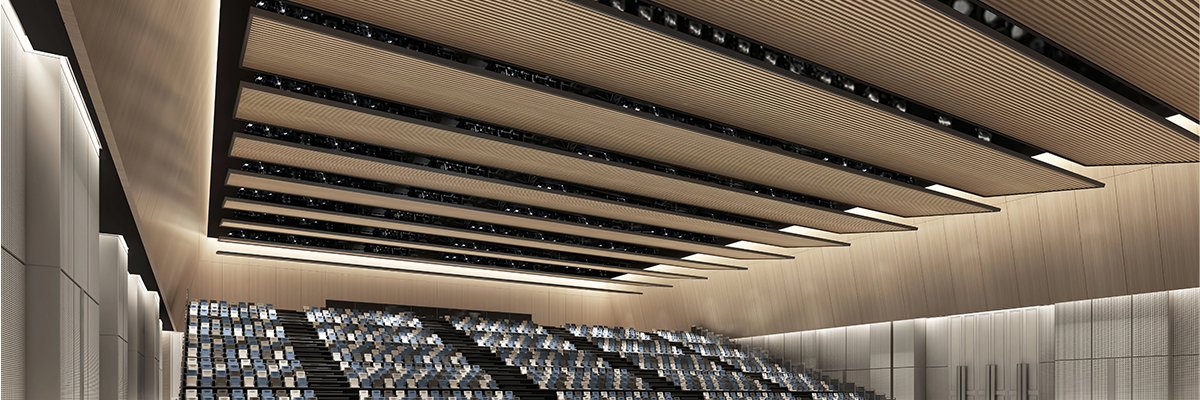
Modern architectural projects are becoming increasingly focused on both visual design and acoustic comfort. In commercial buildings, hotels, auditoriums, offices, and public spaces, contractors are often required to create interiors that not only look impressive but also provide a comfortable sound environment.
One solution that has gained popularity in architectural projects is micro-perforated acoustic panels. By combining a refined surface appearance with effective sound absorption performance, these panels allow designers and contractors to achieve better acoustics without compromising the overall interior concept.
Unlike traditional acoustic materials that may appear purely functional, micro-perforated acoustic panels are designed to integrate with architectural finishes, making them suitable for high-end interior applications.
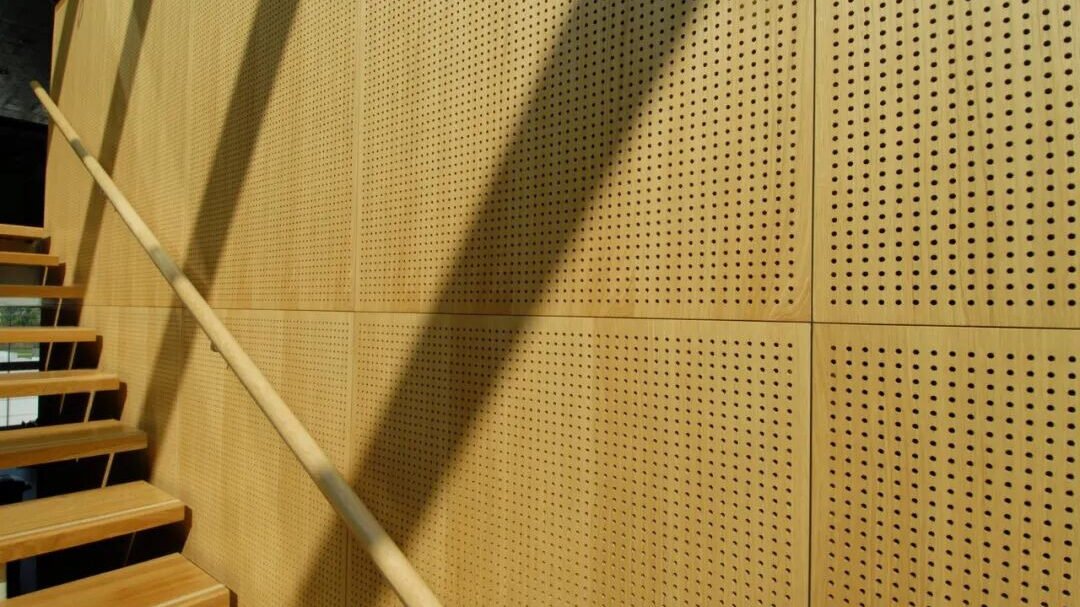
Micro-perforated acoustic panels are architectural panels with very small perforations distributed across the surface. These small openings allow sound waves to enter the panel structure, where acoustic energy is reduced through the interaction between the perforations, air movement, and the backing structure.
The principle behind micro-perforated panels is different from simple decorative wall coverings. Their acoustic performance depends on factors such as:
Because of this design approach, micro-perforated panels can provide sound absorption while maintaining a clean and elegant surface appearance.
One of the biggest challenges in modern interior projects is balancing acoustic requirements with aesthetic expectations.
Large spaces such as hotel lobbies, conference halls, theaters, and corporate offices often use premium materials including wood, metal, and decorative finishes. However, these hard surfaces can create excessive sound reflections and longer reverberation times.
Micro-perforated acoustic panels provide a solution by allowing architects to maintain a high-quality visual design while improving acoustic comfort.
For example:
Contractors often select micro-perforated acoustic panels because they can be integrated into different types of architectural projects.
Common applications include:
In performance spaces, acoustic balance is critical. Micro-perforated wood acoustic panels are often used to control sound reflections while maintaining the architectural character of the venue.
Clear speech communication is essential in meeting and educational spaces. Proper acoustic treatment helps reduce unwanted echoes and improves listening conditions.
Hotels require a combination of comfort, appearance, and durability. Acoustic wall and ceiling systems can help create a more pleasant environment for guests.
Modern offices often contain open layouts and many reflective surfaces. Acoustic panels can help reduce noise distraction and improve workplace comfort.
Micro-perforated acoustic panels are available in different materials depending on project requirements.
Wood acoustic panels are widely used in architectural interiors because they provide a natural appearance while supporting acoustic control.
They are commonly specified for:
Different wood veneers, finishes, and perforation designs allow the panels to match various interior styles.
For projects requiring a durable and modern finish, aluminum acoustic panels provide another option.
Advantages include:
They can be used in commercial buildings, transportation facilities, and public spaces where both performance and durability are important.
Today’s architectural projects often require acoustic products to become part of the overall design rather than appearing as separate functional elements.
Micro-perforated acoustic panels can be customized through:
This flexibility allows contractors and designers to coordinate acoustic treatment with ceilings, walls, lighting, and other interior elements.
Micro-perforated acoustic panels have become an important solution for modern architectural interiors because they offer a balance between acoustic performance and design flexibility.
For contractors, architects, and project developers, these panels provide a practical way to improve sound quality while maintaining the visual standards required by contemporary buildings.
Whether used in auditoriums, hotels, offices, conference halls, or public spaces, micro-perforated acoustic panels can help create interiors that are both visually impressive and acoustically comfortable.
Choosing the right acoustic system, material, and installation method is the key to achieving long-term performance in architectural projects.